
Earth Retaining or Stabilising Structures
ERSS Monitoring in Singapore
GEOUE supports ERSS monitoring in Singapore with practical instrumentation, baseline establishment, field monitoring, data review and reporting for deep excavations, retaining systems and adjacent structures—helping project teams identify movement early and manage construction risk with confidence.
Monitoring Where It Matters
Engineering visibility throughout excavation and construction.
Earth Retaining or Stabilising Structures (ERSS) are used extensively in Singapore for deep excavations, basement construction, underground infrastructure and other works where ground movement and structural response must be carefully monitored.
A well-planned ERSS monitoring programme provides project teams with timely information on retaining-wall movement, groundwater response, ground settlement, structural behaviour and the condition of nearby buildings or infrastructure.
Instrumentation & Monitoring
Monitoring systems selected around the actual risks of the project.
Retaining Wall Movement
Inclinometers and survey monitoring can be used to track lateral movement of diaphragm walls, secant pile walls, sheet piles and other retaining systems during excavation.
Groundwater & Pore Pressure
Water standpipes and vibrating wire piezometers help monitor groundwater levels and pore-water pressure changes associated with excavation, dewatering and ground response.
Settlement Monitoring
Settlement markers, precise surveying and related instruments can be deployed to monitor ground surfaces, utilities, roads and structures surrounding an excavation.
Structural Response
Load cells, strain gauges, survey prisms, tiltmeters and other sensors may be used to understand the response of struts, anchors, buildings and structural elements.
Adjacent Asset Protection
Crack meters, tilt monitoring, settlement monitoring and vibration monitoring can support construction-stage assessment of neighbouring buildings and sensitive assets.
Automated Monitoring
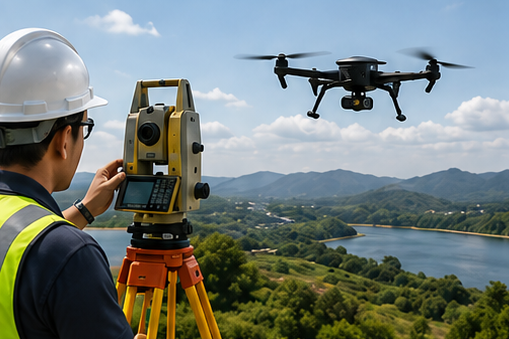
Automated total stations, data loggers and remote monitoring systems can provide higher-frequency observations where continuous or near-real-time visibility is required.
Applications
ERSS monitoring for complex construction environments.
Instrumentation programmes for staged excavation, retaining walls, strutting systems and ground response during basement and underground construction.
Monitoring solutions suitable for underground infrastructure, transportation works and projects where construction takes place close to existing structures and services.
Monitoring of excavation-induced settlement, wall movement, vibration, structural deformation and neighbouring properties during major building works.
Project-specific monitoring for structures, roads, utilities and other assets where early identification of unusual movement is important for construction risk management.
From Measurement to Decision
Monitoring is more than collecting readings.
Effective ERSS monitoring requires reliable baseline data, consistent field procedures, instrument health checks, trend review and clear communication when unusual behaviour is observed.
GEOUE focuses on turning monitoring information into practical engineering visibility. Readings can be reviewed against project-defined monitoring criteria, construction stages and historical trends so that project teams can understand not only what changed, but when and how the change developed.
Monitoring Workflow
A structured approach from installation to reporting.
Plan
Review monitoring requirements, construction stages, instrument locations and project-specific monitoring objectives.
Install & Baseline
Install applicable instruments and establish reliable baseline readings before relevant construction activities begin.
Monitor & Review
Collect readings at the required frequency and review trends, instrument behaviour and unusual changes.
Report
Present monitoring results clearly for project review, construction coordination and technical decision-making.
Typical Instruments
A flexible instrumentation toolkit for ERSS projects.
Depending on the ERSS design, excavation sequence, surrounding assets and project requirements, monitoring may involve inclinometers, vibrating wire piezometers, water standpipes, settlement markers, survey prisms, tiltmeters, crack meters, vibration monitors, strain gauges, load cells, automated total stations and data acquisition systems.
Instrument selection, monitoring frequency, trigger criteria and reporting arrangements should be determined according to the specific engineering design, contractual requirements and applicable project requirements.
Why GEOUE
Singapore project experience. Modern monitoring thinking.
GEOUE is a Singapore-focused geotechnical engineering platform built around practical experience in instrumentation and monitoring, underground construction and major infrastructure projects in Singapore.
Our approach combines conventional geotechnical monitoring practice with digital workflows, structured data management and emerging monitoring technologies developed within the wider GEOOE technology ecosystem.
ERSS Monitoring FAQ
Common questions about ERSS monitoring in Singapore.
What is ERSS monitoring?
ERSS monitoring is the instrumentation and observation of Earth Retaining or Stabilising Structures and their surroundings during construction. It can include measurements of wall movement, settlement, groundwater conditions, structural response and adjacent asset behaviour.
What instruments are commonly used for ERSS monitoring?
Typical instruments may include inclinometers, piezometers, water standpipes, settlement markers, survey prisms, tiltmeters, crack meters, strain gauges, load cells and vibration monitors. The appropriate combination depends on the project design and monitoring requirements.
Can ERSS monitoring be automated?
Yes. Selected measurements can be automated using instruments such as automated total stations, remote sensors and data loggers. Manual and automated monitoring can also be combined depending on monitoring frequency, site conditions and project needs.
When should baseline readings be established?
Baseline readings should normally be established sufficiently early to provide a reliable reference before the relevant construction or excavation activities influence the monitored asset.
Planning an ERSS monitoring programme in Singapore?
Talk to GEOUE about instrumentation, monitoring strategy, field implementation, data management and technical reporting for your upcoming project.
Discuss Your ProjectOur Engineering Services
End-to-end instrumentation and monitoring solutions for safe, efficient and data-driven projects.
Instrumentation & Monitoring
Design. supply and installation of geo / structural instruments.
Soil Investigation
In-situ and lab testing
to assess ground conditions.
Geophysical Survey
Advanced geophysical methods
for underground mapping.

Geotechnical Consultancy
Technical advisory and design support for geotechnical works.

Survey
Precision surveying using total stations, GNSS, LiDAR and drones.
Structural Monitoring
Real-time monitoring of structures for performance and safety assurance.
Installation
Professional installation by experienced teams with strict quality control.
Maintenance
Routine maintenance, and data validation for long-term performance.
Singapore Project Experience
The GEOUE team members have participated in a wide range of geotechnical instrumentation and monitoring projects across Singapore, including transportation infrastructure, deep excavation, underground construction and private developments.
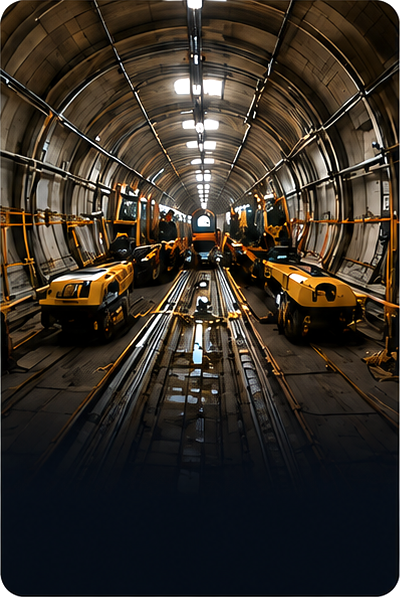
MRT & Rail Projects
Instrumentation and monitoring works for MRT lines and rail infrastructure.
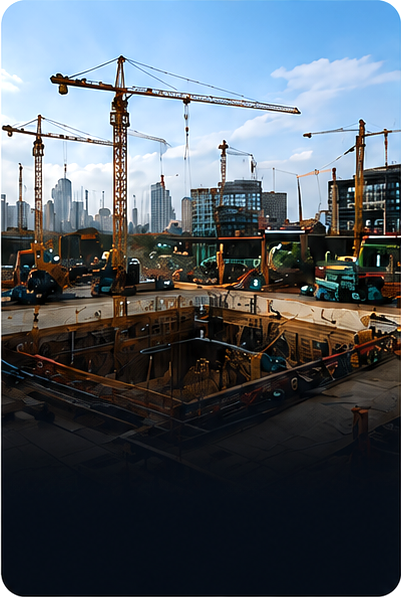
Deep Excavation
Monitoring of deep basements and retaining structures in dense urban areas.
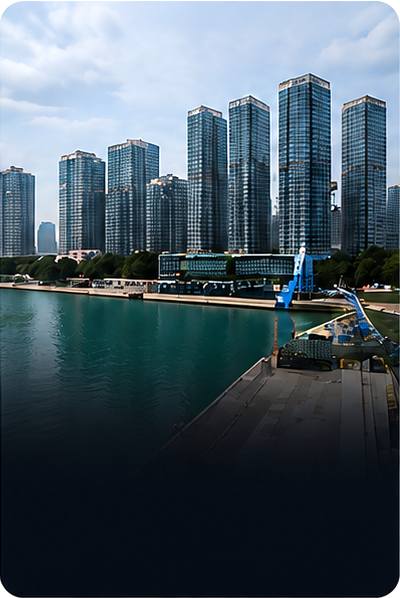
Building & Development
Monitoring solutions for high-rise, mixed-use and residential developments.
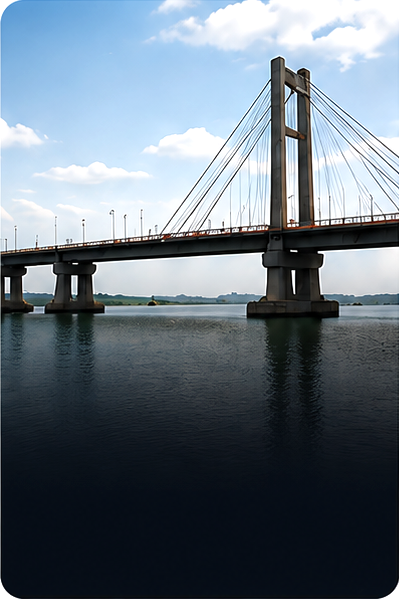
Bridges & Structures
Structural health and performance monitoring for bridges and infrastructure.
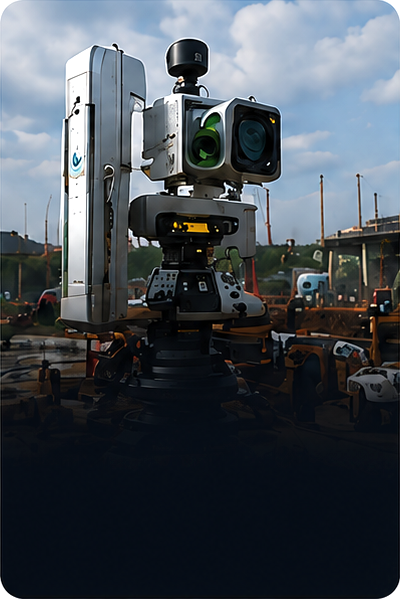
Industrial & Utilities
Instrumentation and Monitoring for utilities, tunnels, pipelines and industrial facilities.
Our Approach

Understand
We study your site and project requirements.

Monitor
We monitor, analyze and
provide actionable insights.

Design
We design the right
solution for your needs.

Partner
We partner with you to
ensure long-term success.

Deliver
We install and commission
with precision.

Support
We maintain and support
for the long term.
Our Core Services
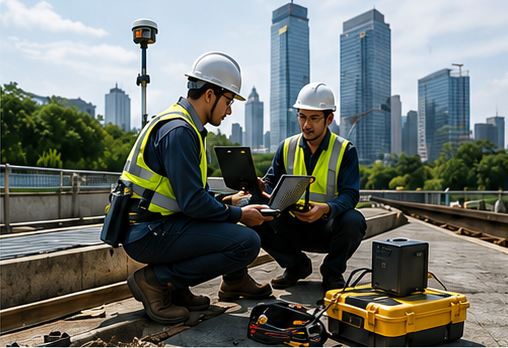
Instrumentation & Monitoring
Real-time data acquisition and monitoring for geotechnical and structural applications.
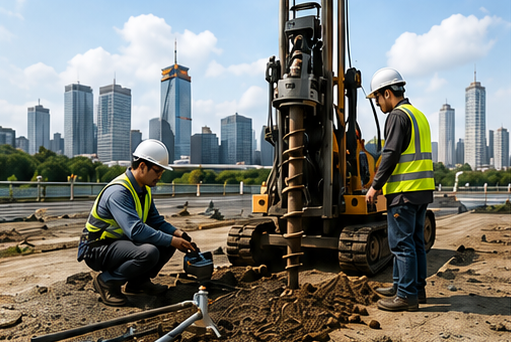
Soil Investigation
In-situ tests, sampling and laboratory analysis to evaluate subsurface conditions.
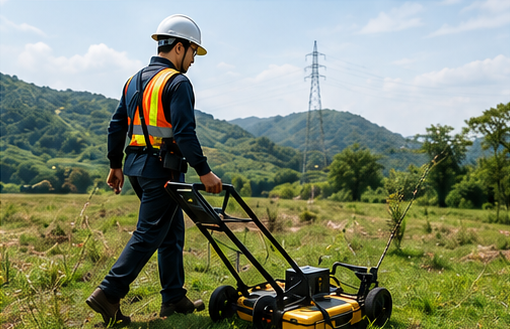
Geophysical Survey
Advanced geophysical methods to map subsurface conditions non-destructively.
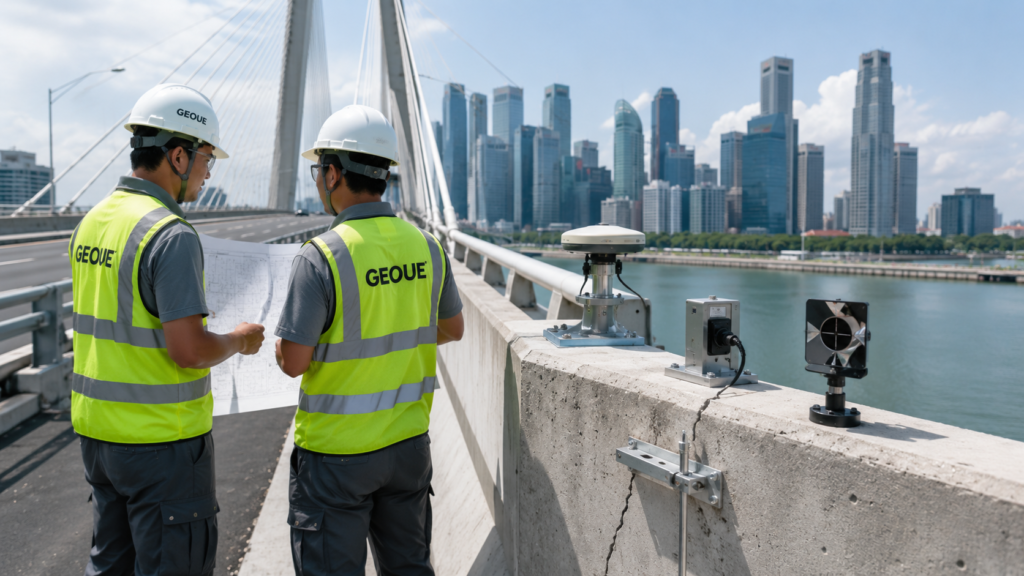
Geotechnical Consultancy
Design optimization and risk-based advice for safe and cost-effective solutions.
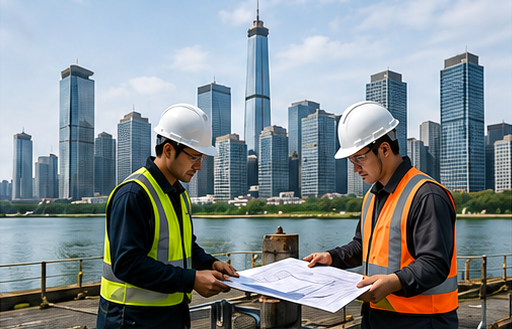
Monitoring Data Analysis
Trend Review
Alert Assessment
Interpretation
Technical Review
Third-party Review
QA/QC
Independent Assessment
Get In Touch
Let’s Work Together on Your Next Project
We deliver engineering solutions that make a difference.